...
...


...
...
...
...

...
...

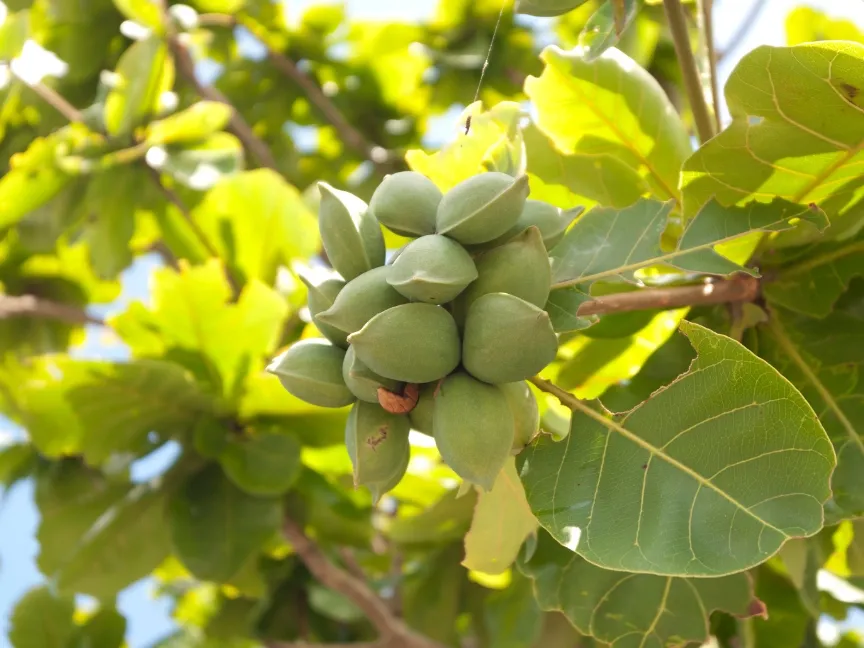
THE BEAUTY OF NATURE
Terminalia catappa is a large tropical tree in the leadwood tree family, Combretacee, native to Asia, Australia, the Pacific, Madagascar and Seychelles. Common names in English include country almond, Indian almond, Malabar almond, sea almond, tropical almond, beach almond and false kamani.
In Indonesia it is commonly called Ketapang and usually grows near coastal areas. The leaves are widely used to produce black, grey, and gold dyes.
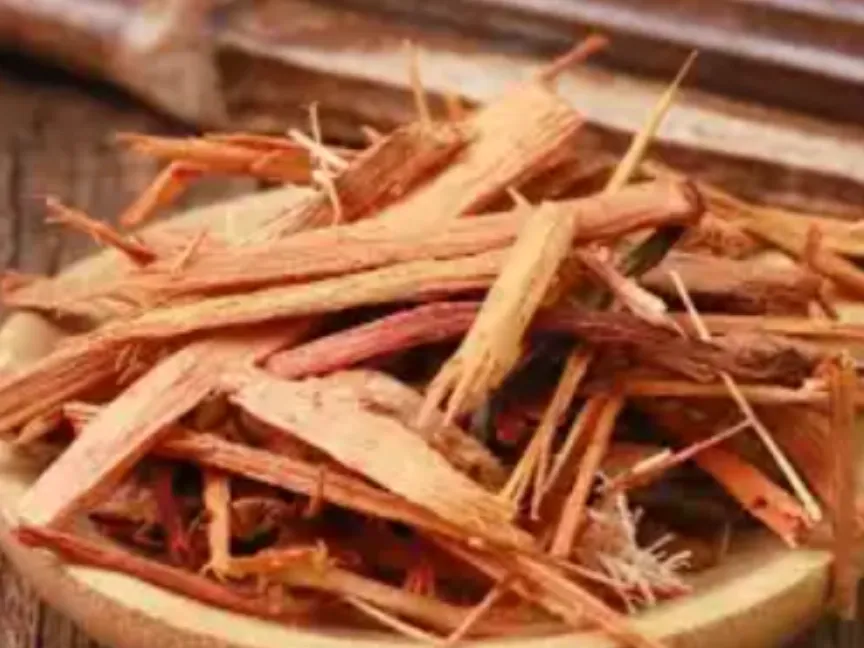
THE BEAUTY OF NATURE
Biancaea sappan is a species of flowering tree in the legume family Fabacee, native to tropical Asia. Common names in English include sappanwood and Indian redwood. It was previously placed in the genus Caesalpinia and is closely related to brazilwood, which was historically called brasilwood.
This plant has many uses. It has antibacterial and anticoagulant properties, and it produces a valuable reddish dye called brazilin, used for dyeing fabrics and making red paints and inks.
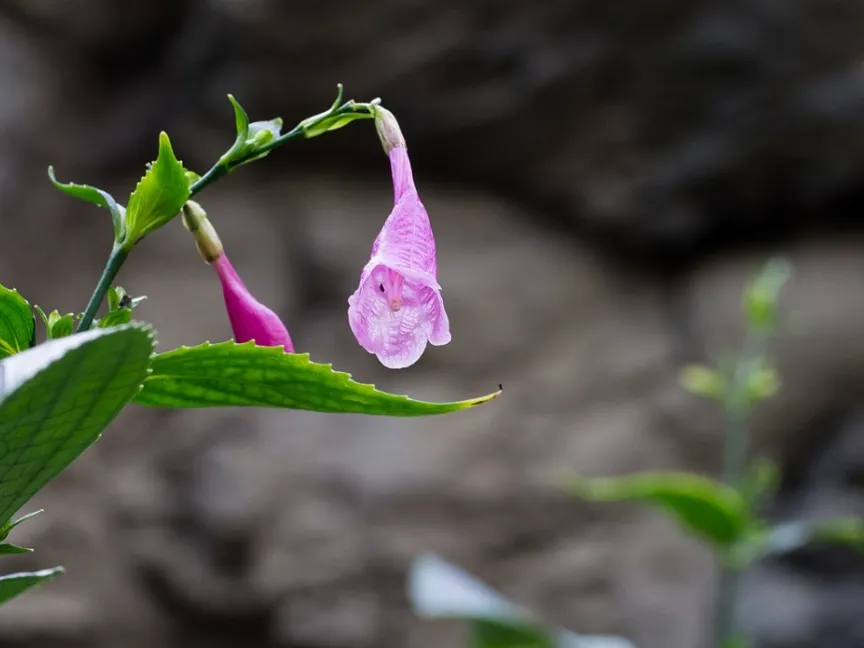
THE BEAUTY OF NATURE
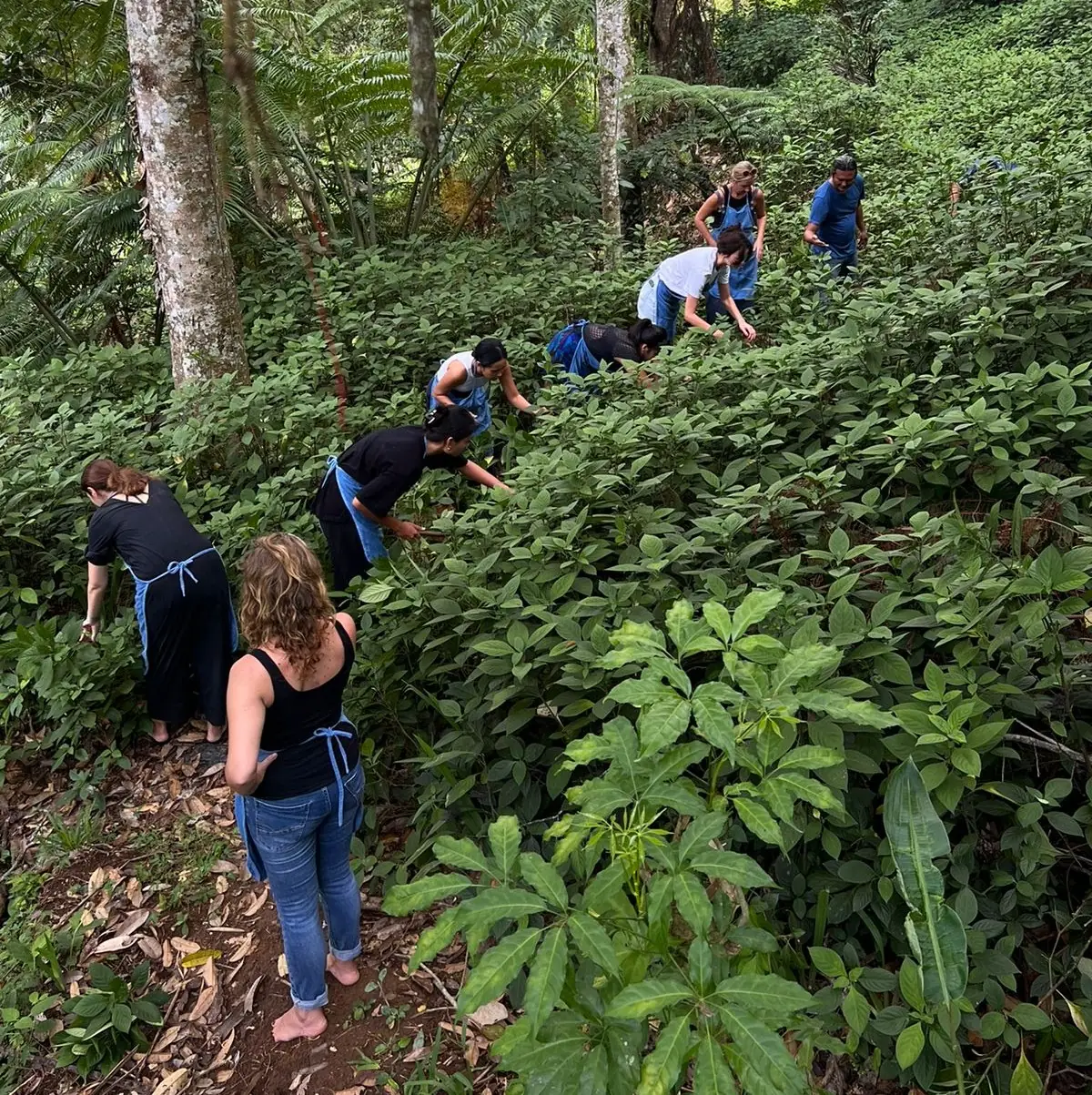
Strobilanthes cusia, also known as Assam indigo or Chinese rain bell, is a perennial flowering plant of the family Acanthaceae. It is native to South Asia, China, and Indochina, and was historically cultivated extensively as a source of indigo dye known as Assam indigo.
Besides being used for dye, it is also part of traditional Chinese herbal medicine known as "Qingdai". It is also referred to as Pink strobilanthes and Strobilanthes flaccidifolius, where "flaccidifolius" means “drooping leaves”.
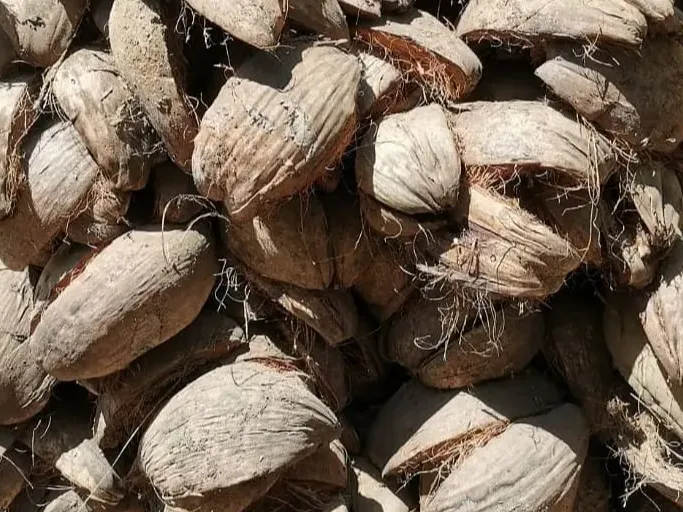
THE BEAUTY OF NATURE
The coconut tree (Cocos nucifera) is a member of the palm family (Arecaceae) and the only living species in the genus Cocos. The term “coconut” can refer to the entire palm, the seed, or the fruit, which is botanically classified as a drupe rather than a nut.
The name comes from the old Portuguese word "coco," meaning “head” or “skull”, referring to the three indentations on the shell that resemble a face. Coconut trees are widespread in coastal tropical regions and have become cultural icons of the tropics.
THE BEAUTY OF NATURE
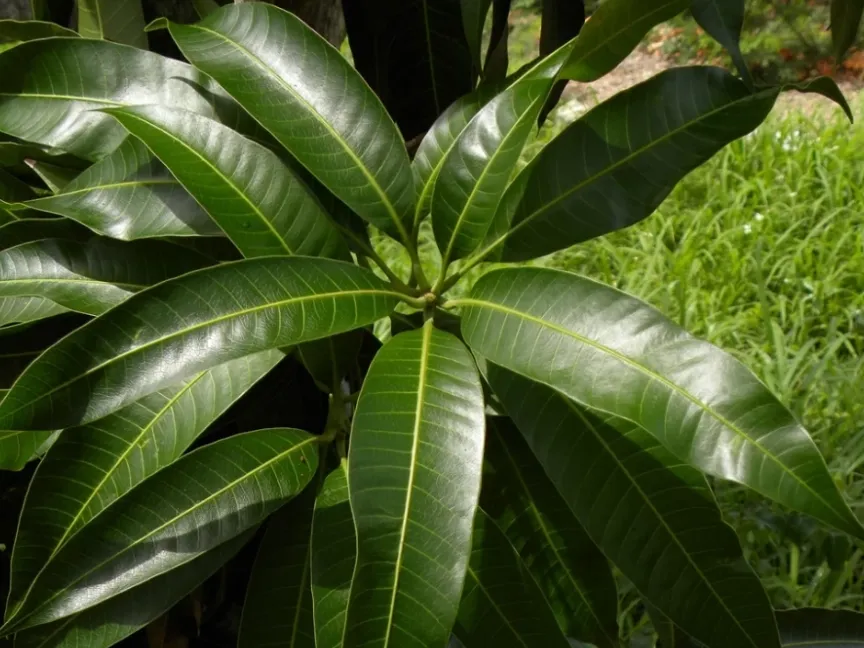
Mangifera indica, commonly known as mango, is a species of flowering plant in the Anacardiaceae family. It is a large fruit tree capable of reaching 30 metres (100 feet). Modern mangoes are grouped into two main genetic populations: the Indian type and the Southeast Asian type.
The tree is valued mainly for its fruits—both green and ripe. There are around 500 reported varieties in India. It can grow up to 15–30 metres tall with a wide crown and a trunk circumference of more than 3.7 metres (12 ft). The leaves are simple, shiny, and dark green.
In natural dye processes, mango leaves are commonly used to produce yellow dye.